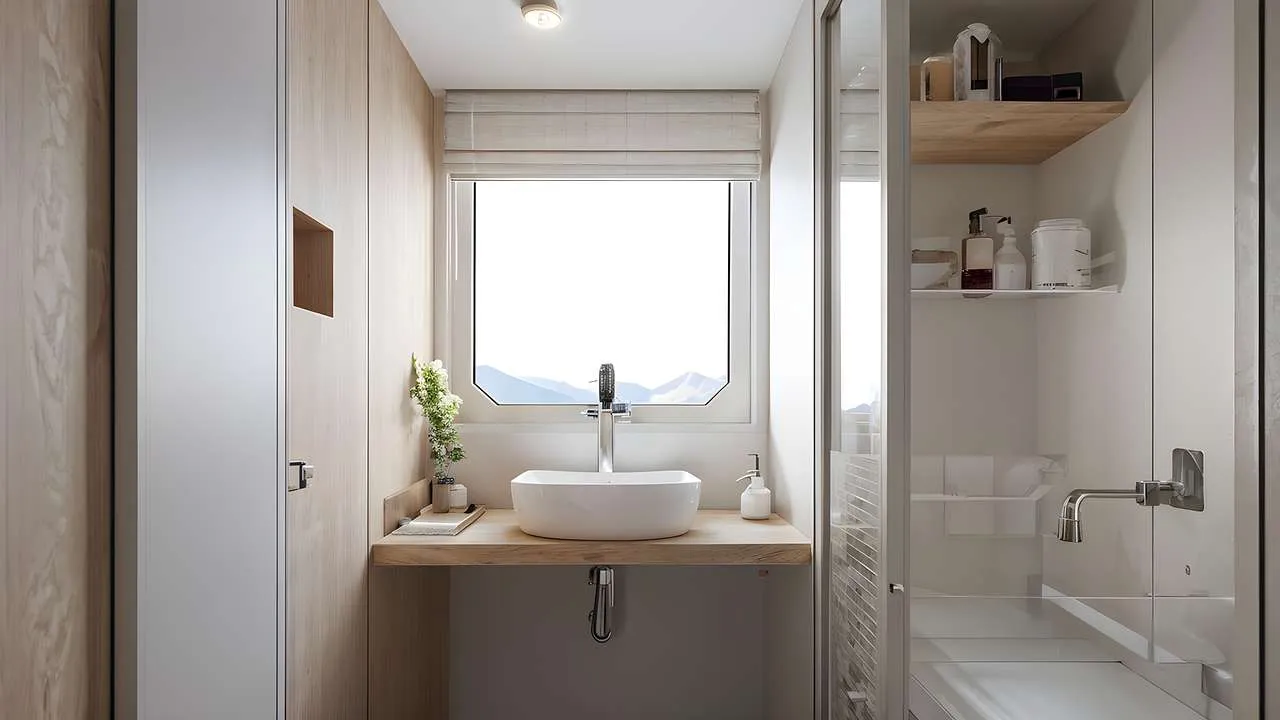
As a seasoned design professional with over a decade focusing on compact spaces, I know small bathroom ideas must balance function, longevity, and style. A well-planned tiny bath can feel open, organized, and calm rather than cramped. In this guide, you’ll find proven strategies to maximize every inch without sacrificing aesthetics. From layout and lighting to storage and fixtures, these ideas help you create a bathroom that works as hard as it looks.
Space-Saving Layouts
Layout is the foundation of a small bathroom. Prioritize a clear visual line and minimize obstructions. Consider these options:
- Install a corner or wall-mounted vanity to free floor space and make the room appear larger.
- Choose a compact shower with a sliding door or a clear glass enclosure to maintain an open sightline.
- If possible, use a pocket door or a narrow hinged door that tucks away, avoiding a door swing into the room.
- Maximize vertical space with tall storage cabinets placed above the toilet or sink.
In practice, blending a floating vanity, a corner shower, and a slim storage tower creates a legible flow and reduces visual clutter. A consistent line from floor to ceiling helps the space feel taller, especially when paired with light reflective surfaces.
Color, Lighting, and Mirrors
Color and light are your most powerful allies in a small bathroom. Light hues reflect more light and visually expand the space, while mirrors amplify brightness and depth. Apply these principles:
- Use light neutrals such as whites, soft grays, or pale taupe as the base palette; add color with towels, accessories, or a small backsplash for personality.
- Incorporate a large mirror or a mirrored cabinet to double the perceived size and improve task lighting.
- Choose layered lighting: a bright ceiling light for general illumination and wall-mounted sconces or LED strips at the vanity for precision tasks.
- Opt for glass or translucent shower enclosures to preserve sightlines and avoid a boxed-in feel.
For EEAT-quality results, rely on neutral palettes with subtle accents and high-quality fixtures. A well-lit, mirrors-first approach makes even the smallest bath feel welcoming and usable every day.
Storage Solutions
Smart storage is the antidote to clutter. In a small bathroom, every inch counts, so prioritize recessed, floating, and multi-use solutions:
- Floating vanity with shallow drawers or pull-out organizers reduces footprint while keeping essentials accessible.
- Recessed niches in the shower and above the tub provide a place for soaps and shampoos without eating wall space.
- Medicine cabinets or tall slim storage units maximize vertical space; consider a mirrored cabinet to combine function with placement.
- Over-toilet storage shelves or a compact cabinet can store towels and cleaning supplies out of sight.
Materials matter here: choose moisture-resistant finishes, soft-close drawers, and easy-to-clean countertop surfaces to sustain the look with daily use.
Fixtures and Materials
Choosing the right fixtures makes a notable difference in perceived space and daily comfort. Look for compact, efficient options that suit a small footprint:
- Wall-hung or one-piece toilets save floor space and simplify cleaning, while a dual-flush model reduces water use.
- A wall-mounted faucet and vanity sink combo keeps the countertop clear and visually expands the room.
- Consider a shallow, slender sink with integrated storage if vanity depth is a constraint.
- Durable, moisture-resistant materials like porcelain, quartz, and glass are wise investments for longevity in small baths.
When possible, specify slimline radiators or towel warmers that tuck into corners or vertical walls to maintain floor area for movement.
Budget and Practical Upgrades
Small bathroom renovations often deliver the best value when you invest in strategic changes rather than full reworks. Start with a plan and a realistic budget that prioritizes the elements with the highest impact:
- Focus on layout changes that improve flow before cosmetic updates. If a pocket door isn’t feasible, a slim swing door with a soft-close hinge can still open space.
- Choose a cohesive color and material palette to reduce perceived complexity and create a unified look.
- Shop for compact, high-quality fixtures that maximize function—think efficient toilets, space-saving vanities, and glass shower enclosures.
- Accessorize with purpose: a single elegant towel rack, a niche with a moisture-resistant shelf, and a few well-chosen textiles can elevate the space without overhauling components.
Every upgrade should balance cost, durability, and the daily routines of your household, ensuring long-term satisfaction and minimal maintenance.
Comparison: Quick Choices for Small Bathrooms
| Option | Benefit | Best For | Notes |
|---|---|---|---|
| Floating vanity | Maximizes floor space, easier cleaning | Open feel in compact baths | Ensure plumbing access and sturdy wall mounting |
| Sliding shower door | Keeps lines clean, reduces clearance needed | Very small showers | Prefer clear glass to extend sightlines |
| White/light color palette | Feels larger, reflects light | Dark rooms or north-facing baths | Use color in accents for personality |
| Wall-hung toilet | Less floor clutter, easier to clean | Very tight layouts | Check plumber access for installation |
| Recessed niches | Functional storage without bulk | Shower walls and wet zones | Waterproof with proper sealing |
Throughout these choices, the aim is to preserve airiness, simplify maintenance, and maintain a cohesive style that resists the passage of time. The right combination of layout, lighting, storage, and fixtures turns a small bathroom into a comfortable, efficient space.
Conclusion, small bathroom ideas revolve around clever storage, thoughtful color and lighting, and compact fixtures to maximize every inch while maintaining style and durability for everyday use.