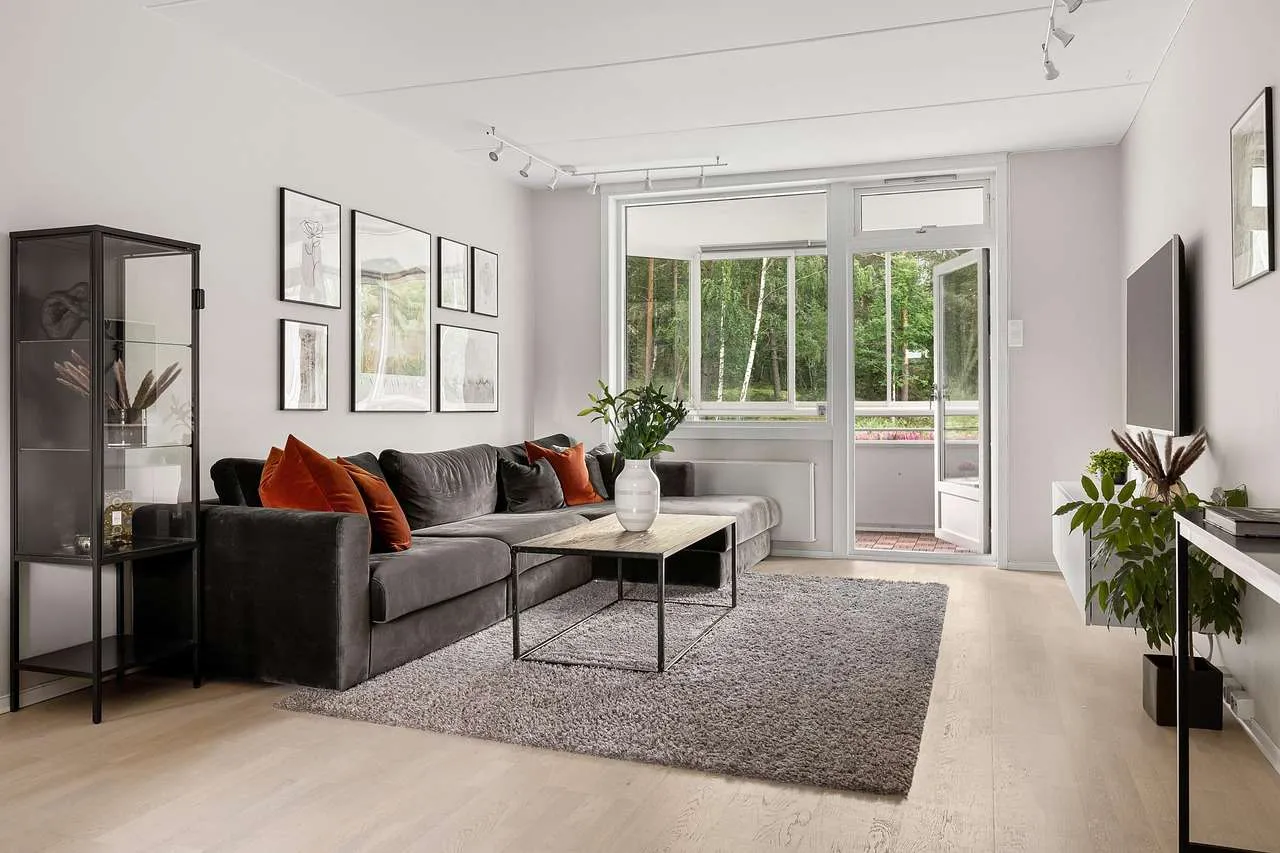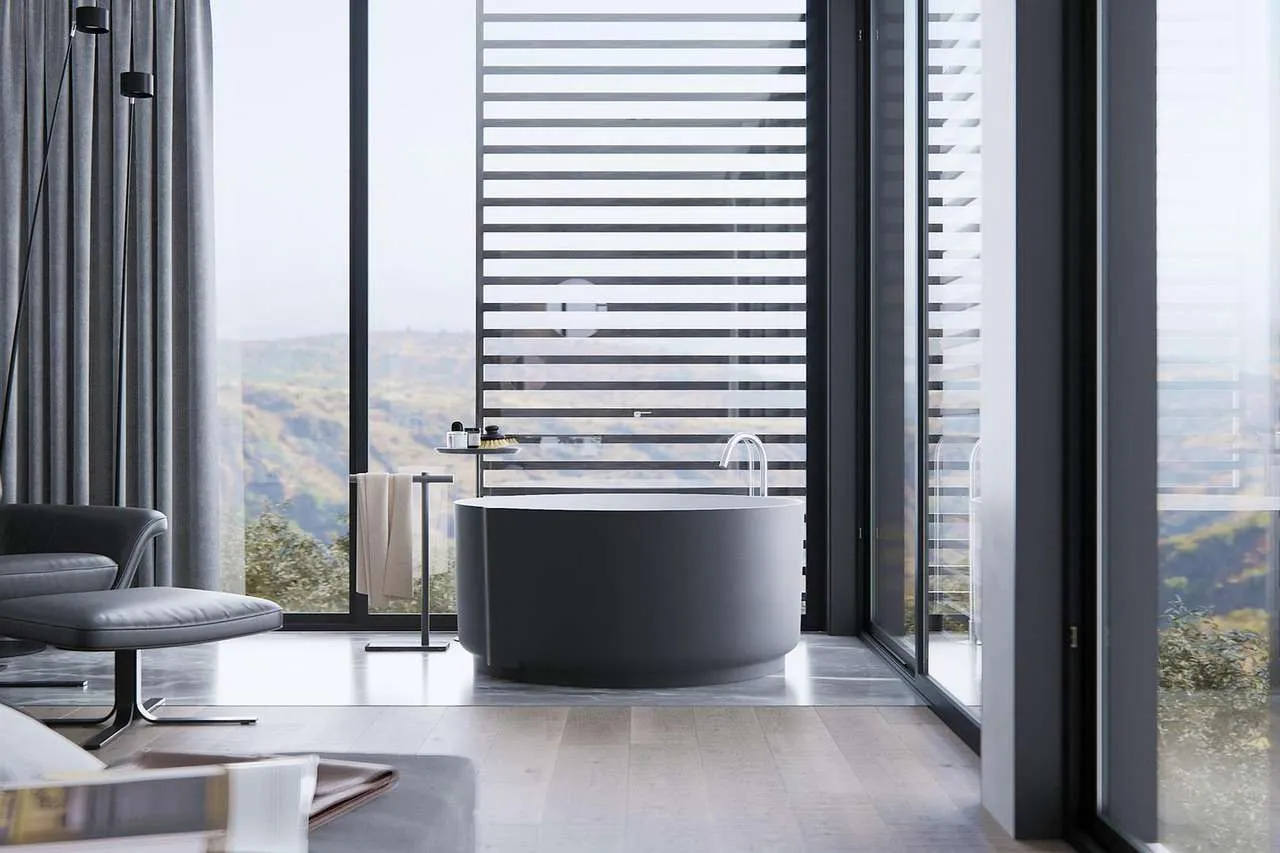
Window tint for home is a film applied to interior window surfaces to reduce heat, glare, and UV exposure while enhancing privacy and comfort. Modern residential films come in a range of shades and technologies, designed to meet energy codes and aesthetic goals. Proper selection and professional installation can improve indoor climate, protect furnishings, and lower energy bills, making window tint a smart addition for many homes.
What is window tint for home?
Residential window tint refers to lightweight polyfilm applied to the inside of glass to control light and heat. Films are available in different opacity levels and heat-rejection capabilities. Some are crystal-clear and barely perceptible, while others provide a reflective or tinted appearance. The choice depends on climate, orientation of windows, and personal privacy preferences.
Benefits of residential window tint
- Heat reduction: Films block a large portion of infrared heat while letting visible light through.
- UV protection: Most films block up to 99% of ultraviolet rays, protecting skin and furnishings.
- Glare control: Reduces glare on screens and in living spaces.
- Privacy and aesthetics: Tinted or reflective finishes deter passersby and complement home styles.
- Safety and security: Some films hold shattered glass together, reducing injury risk.
- Energy efficiency: Lower cooling loads can reduce air conditioning demand and bills.
Types of window tint for home
Dyed window tint
Dyed films are the most affordable option and create a tinted look. They absorb heat and provide privacy but can fade or discolor over time and are less effective at rejecting infrared heat than engineered films.
Metalized window tint
Metalized films use metallic particles to reflect heat. They offer strong heat rejection and durability but can interfere with signals from electronics and reduce visibility in some lighting conditions.
Ceramic window tint
Ceramic films use non-conductive nanoparticles to block heat without metal. They are highly effective, non-reflective, and do not interfere with devices, making them a premium choice for comfort and aesthetics.
Carbon window tint
Carbon films provide good heat rejection with a matte, non-reflective appearance. They resist staining and fading and typically maintain color integrity for many years.
Hybrid and other advanced films
Hybrid films combine ceramic and dyed or metalized layers to balance cost and performance. They offer respectable heat rejection with moderate cost and less risk of signal interference than pure metalized options.
How to choose the right tint for your home
Start by assessing climate, room orientation, and goals for privacy and aesthetics. Consider
- Visible light transmission VLT and infrared rejection
- Glass type and frame compatibility
- Sun exposure of rooms and seasonal comfort needs
- Local rules and warranty terms
- Professional installation vs DIY
A reputable installer can test glass tolerance, apply films evenly, and provide warranty details. For multi-pane units or historic homes, choose films with non-destructive adhesives and professional calibration to avoid glass damage.
Installation considerations: DIY vs professional
DIY kits exist, but professional installation ensures even coverage, proper edge sealing, and long-term performance. Pros evaluate heat rejection metrics, check for pre-existing coatings, and provide post-install care guidance. Always verify permit requirements if required by your jurisdiction.
Cost, savings, and warranty
Residential tint costs vary by film type, window size, and the number of panes. Typical ranges per square foot are lower for dyed films and higher for ceramic films. Expect installation charges to reflect labor complexity. Most films come with warranties covering peeling, bubbling, or fading for 5 to 15 years, depending on the material and manufacturer.
Comparison of common residential window tints
| Film Type | Pros | Cons | Typical Cost per ft2 | Durability |
|---|---|---|---|---|
| Dyed | Affordable, good privacy | Prone to fading, limited IR rejection | 1-3 | 5-10 years |
| Metalized | Strong heat rejection, robust | Can interfere with signals, reflective | 2-4 | 10-15 years |
| Ceramic | High heat rejection, non-reflective | Higher cost | 3-8 | 12-15+ years |
| Carbon | Matte look, good heat control | Moderate cost | 2-6 | 10-15 years |
| Hybrid | Balanced performance | Mid-range for cost | 2-5 | 10-12 years |
Maintenance and care
Keep the film clean with a soft cloth and mild detergent. Avoid abrasive cleaners or scrubbing that can scratch the surface. Periodically inspect edges for peeling and ensure seals around the glass remain intact to preserve performance.
Conclusion, window tint for home offers a practical path to cooler interiors, UV protection, and enhanced privacy while protecting furnishings and reducing energy use. By understanding film types, selecting the right level of heat rejection, and choosing professional installation, homeowners can achieve durable comfort and better long-term value for their property.