Your bathroom decor should combine style with function. This guide helps you plan and implement a cohesive look that reflects your taste while staying durable and easy to maintain. From color and materials to lighting and layout, every choice contributes to how the space feels and works day to day. With a focus on EEAT, this article blends design principles with practical tips you can use, whether you renovate a powder room or a full bathroom.
What bathroom decor means
Bathroom decor goes beyond wallpaper and towels. It's about creating a space that supports daily rituals, supports accessibility, and reflects your personality. A strong decor plan considers scale, material performance in humid environments, and timeless trends so the space remains relevant for years. If you’re unsure where to start, consult a licensed designer or contractor to validate products for moisture resistance and warranty coverage.
Popular bathroom decor styles
Minimalist and Scandinavian
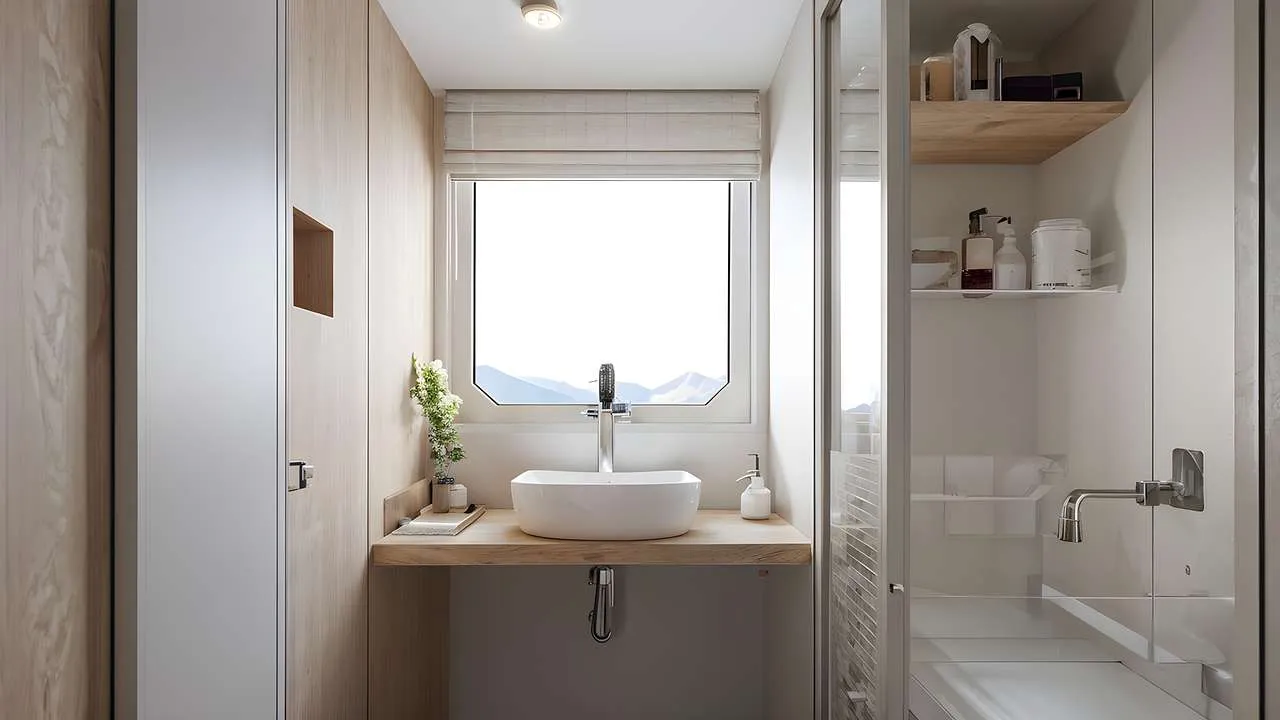
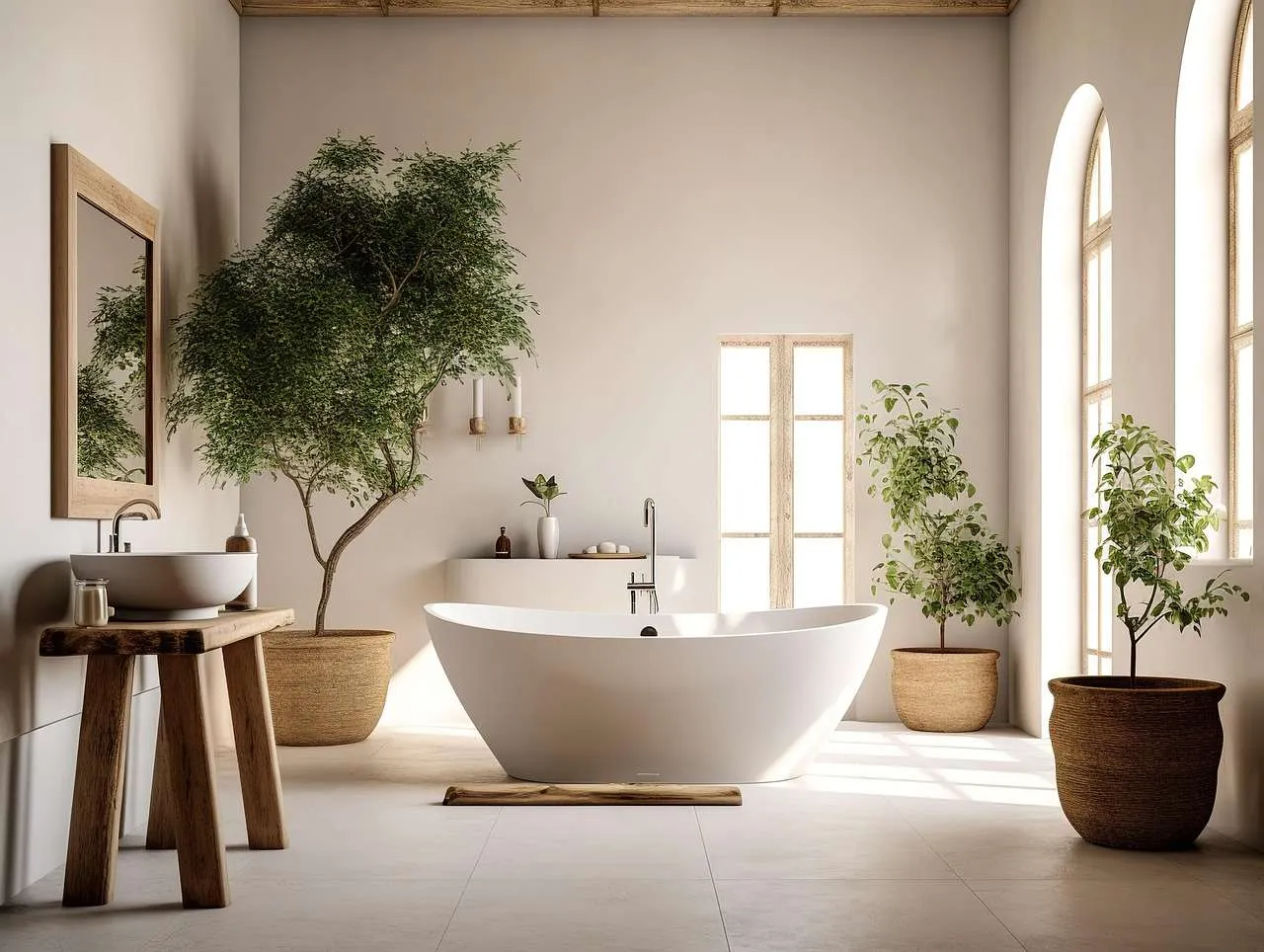
These styles favor clean lines, restrained color palettes, and tactile materials. Think white walls, warm wood accents, matte fixtures, and concealed storage. The result is a serene space that reads as larger and easier to clean, without sacrificing comfort.
Transitional and Traditional
Transitional mixes modern form with classic elements like ceramic subway tile, shaker-style vanities, and soft textiles. It’s flexible enough to blend with existing kitchen or living room decor while staying practical in humid rooms.
Color palettes and materials
Color sets the mood. Light neutrals with warm wood create a spa-like vibe; deep blues or greens can anchor a bold feature wall or vanity unit. Materials matter as well: porcelain tile survives moisture well; natural stone adds luxury but requires sealing; quartz counters balance durability with aesthetics. Use durable, water-resistant surfaces for primary wet zones and softer textures for accents.
- Neutral base with accent colors drawn from natural palettes
- Glossy surfaces for reflectivity in small spaces
- Textural contrast to add depth (matte vs. gloss, stone vs. wood)
Lighting, fixtures, and accessories
Layered lighting is essential. Combine ambient ceiling fixtures with task lighting around mirrors and under-cabinet LEDs for vanities. Choose fixtures rated for bathroom humidity and select color temperatures between 2700K and 3500K to create warmth without yellow glare. Mirrors with anti-fog features and simple hardware keep the look cohesive.
Storage and layout
Efficient storage makes decor work. Wall-hung vanities save floor space, recessed niches hold toiletries without clutter, and built-in towels keep surfaces clean. When planning, measure door swing, ensure adequate clearance for shower doors, and consider a bias toward one focal point, such as a statement vanity or a tile feature, to anchor the room.
Material and maintenance table
| Material | Pros | Cons | Maintenance | Approx. Cost |
|---|---|---|---|---|
| Porcelain tile | Durable, water-resistant | Can feel hard; installation matters | Low to moderate | $$ |
| Natural stone | Luxurious look | Porosity; sealing required | Moderate to high | $$$ |
| Ceramic tile | Affordable, easy to install | Less durable than porcelain | Low | $ |
| Quartz countertop | Non-porous, low maintenance | Seams at joints on larger slabs | Low maintenance | $$ |
Budgeting and planning
Define non-negotiables (ventilation, moisture management, vanity height) and use a simple budget framework: 50% for fixtures and surfaces, 25% for labor, 25% for finishes and accessories. Request multiple quotes, check return policies, and allow a 10-15% contingency for unplanned changes. If possible, phase the project to manage costs while maintaining daily use of the restroom.
Final tips and expert input
Expert input helps ensure long-term value. A licensed contractor can verify moisture management, while a designer can harmonize styles with existing rooms. Always sample materials in areas with humidity, verify slip resistance for floors, and review warranties for tiles, cabinetry, and fixtures.
Summary, by focusing on cohesive palettes, durable materials, layered lighting, and smart storage, you can achieve bathroom decor that blends aesthetics with function. This balanced approach reflects expertise, practical maintenance planning, and a thoughtful buyer's process to guide you from inspiration to completion.